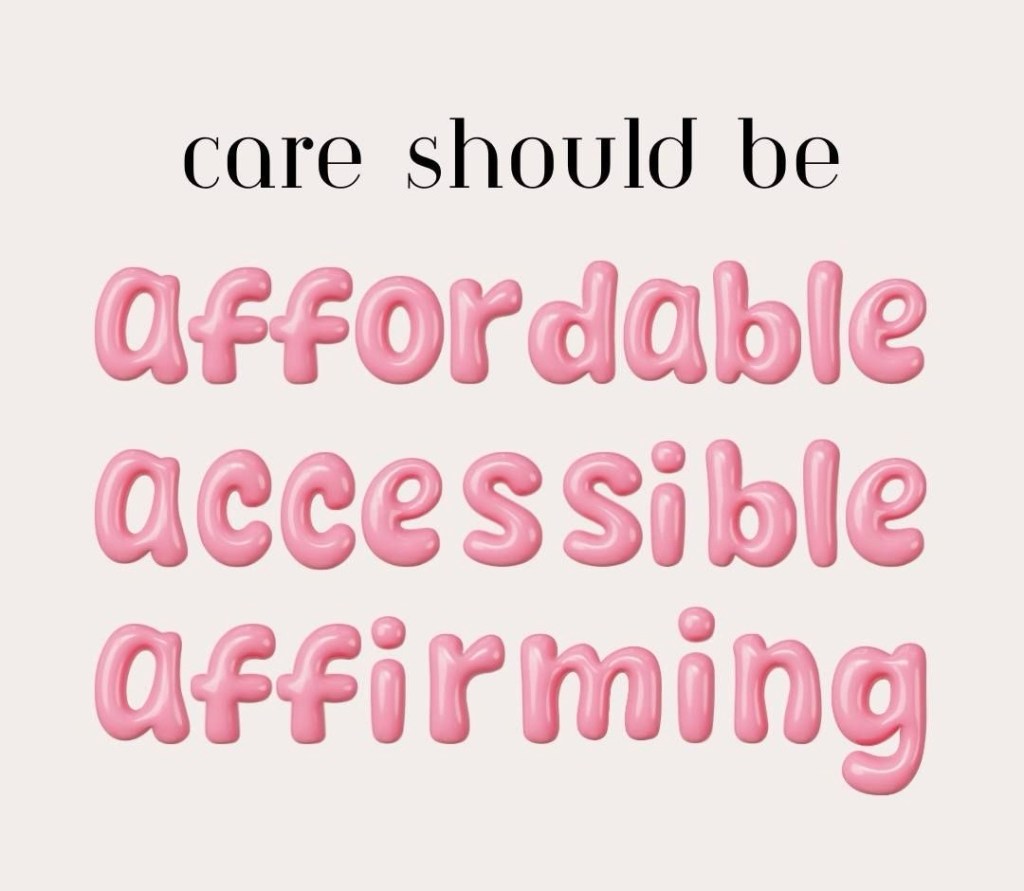
Cost and insurance are two of the most common barriers that directly affect whether people are able to access behavioral health services. Even when support exists, it is not always realistically reachable. Childcare responsibilities also play a major role, especially for adults who do not have consistent help. Caregivers may want to attend appointments but simply cannot step away from their responsibilities without reliable support systems in place.
At the same time, many individuals lean toward internal or informal support systems such as family, friends, community groups, or religious leaders. These spaces can feel safer, more familiar, and more affordable than formal mental health services. Because of that, people may choose these supports over professional care, even when clinical services might offer additional tools or treatment options.
Stigma intensifies all of these barriers. With cost and insurance challenges, stigma can lead people to minimize what they are experiencing or avoid seeking help altogether. Someone may convince themselves that their struggles are not “serious enough” to justify the financial cost, even when they are clearly in need of support. In this way, stigma does not just influence feelings, it directly impacts decision making and service use.
Stigma also reinforces reliance on informal support systems. If mental health is viewed negatively in someone’s environment, they may be more likely to stay within trusted personal or cultural spaces to avoid being judged, labeled, or misunderstood. Some may also fear having a mental health diagnosis documented in formal systems. While informal supports can absolutely be meaningful and grounding, stigma can still limit openness to professional care when it may be necessary. In both situations, stigma works quietly underneath the surface, shaping what people believe they are allowed to need and what options feel acceptable.
Because of these layered barriers, alternatives to punitive responses like discharging clients for missed appointments are important. Flexibility in care can make a real difference in engagement and consistency. This can include evening or weekend appointments, walk-in or open-access scheduling, telehealth or hybrid options, and even shorter but more frequent sessions instead of traditional formats. These approaches recognize that people are often balancing work, childcare, transportation, and other life demands. Instead of removing access when challenges arise, flexible systems help reduce those barriers and support ongoing participation in care.
Conclusion
Overall, access to behavioral health services is not just about whether care exists, but whether people can realistically reach it without being blocked by cost, responsibilities, or stigma. When systems shift from rigid expectations to flexible, human-centered approaches, they create more space for consistency, trust, and long-term healing. Understanding these barriers is not just theory for me as a student, it is a reminder that effective care must meet people where they are, not where systems assume they should be.


Leave a Reply