Between The Headlines| August 2026
The FDA also known as the Food And Drug Administration, is a U.S. federal agency responsible for protecting and promoting public health.
The Purpose and Mission
The primary purpose of the FDA is to ensure the safety, effectiveness, and security of human and veterinary drugs along with biological products, and medical devices. The administration also deals with the safety of the nation’s food supply, cosmetics, and radiation-emitting products.
The agency also aims to:
- Advance public health by speeding up product innovations.
- Provide the public with ACCURATE, science-based health information.
- Regulate the manufacturing, marketing, and distribution of tobacco products.
The agency also claims to oversees roughly 20 percent of all consumer purchases in the United States, including Council on Foreign Relations
So understand this, we’re talking about 
- Foods: Including dietary supplements, bottled water, food additives, infant formula, and pet food.
- Medical Products: Prescription and over-the-counter medications, vaccines, blood products, and medical devices.
- Other Goods: Cosmetics, tobacco, and electronic devices that emit radiation (like microwaves or X-ray machines).
All under the guides of protection, knowledge, and trust.
In August 2026 the United States has had a total of 162 food recalls according to FDA and USDA data that was found. There has been numerous high-profile recalls around the country including jalapeños, blueberries, lettuce, salsa,tomato soup, mangos, frozen berries, rice ,eggs and various allergen/contamination products and alerts.
I also found it important to note that despite popular belief the Food and Drug Administration is not responsible for regulating meat, poultry, and certain egg products that is handled by the USDA. Alcohol which is handled by the TTB, and everyday consumer products, advertising for non-medical goods, and practicing health care and restaurant inspections safety regulations also doesn’t count.
Think about it! With all these Unregulated or Excluded Areas……
You visit your local grocery store, purchase vegetables and fruits to eat, take your time preparing a delicious dinner with love for your family all while having faith that the food stored in your refrigerator and pantry is safe to consume.
But what happens when the food you trusted yesterday becomes the food the FDA tells you not to eat today?
The FDA’s August records shows a uprising in recalls. With foodborne pathogens, allergens and physical contaminants, the FDA is showing that this is not just one isolated incident . Major issues such as salmonella and listeria. Undeclared allergens and Foreign materials such as Metal, Glass and Fiber/particles are not something we as a whole should take lightly. At this point, we are all playing Russian roulette with a can of beans or box of rice away from being extremely sick or worse.
If recalls are one of the FDA’s mechanisms for safeguarding the public after a food safety failure, how effectively is the protocol behind it? Moreover, what are the consequences when the public fails to receive, comprehend, or respond to the warnings signs?
We know the protocols exist, but how effectively do they protect the public once hazards has entered the chat…. I mean food supply?
Recalls and Public Safety Protocol
One of the foundational frameworks to food safety and prevention is HACCP (Hazard Analysis and Critical Control Points.)
The Old model states
Find unsafe food → remove it.
The Modern preventive model States
Identify where hazards can arise → control those points before contamination reaches consumers.
PREVENT → DETECT → INVESTIGATE → TRACE → RECALL → WARN → REMOVE → VERIFY → LEARN
HACCP emerged by getting involved with NASA/Pillsbury in the 1960s and became the foundation to modern preventive food-safety systems. This matters because FSMA fundamentally embraced the same philosophical direction of the FDA. Describing the law as a prevention-oriented food-safety system, which included preventive controls, laboratory testing, traceability, surveillance and recall authority.
WHAT HISTORY HAS TAUGHT US
1993 Jack in the Box E. coli outbreak
The 1993 E. coli outbreak associated with Jack in the Box became one of the pivotal outbreaks to define American food public safety protocols. This famous case was so serious that it changed the way restaurants kept food safe, even years later.Scientists who studied food safety issues later found something interesting: when one restaurant company has a food safety scare, it doesn’t just hurt that company. It can also cost money to other restaurant companies too, even ones that had nothing to do with the problem.
2006 spinach outbreak
The 2006 E. coli outbreak linked to fresh spinach showed just how effective modern disease surveillance can be. Using a system called PulseNet, the CDC was able to compare the genetic “fingerprints” of bacteria samples collected from sick patients across multiple states. When the fingerprints matched, investigators could confirm the cases were connected, rather than being unrelated incidents, and was able to quickly trace the source back to spinach.
This case highlights a broader point: surveillance technology can drastically reduce the time it takes to connect an illness to its source. However, that speed depends on how efficiently the technology and the information it generates move through the public health system. A powerful tracking tool is only as useful as the communication network that supports it.
2026 The End Of Salad And Go
After Salad and Go shamefully closed all their Phoenix-born drive-thru chain locations on August 5, 2026 after filing Chapter 11, reports are saying the company cited consumer pressures, inflation, overexpansion and broader industry damage from the July Cyclospora outbreak which Salad and Go itself was not implicated in the outbreak. The sudden collapse left behind a vast expanse of vacant drive-thru kiosks, igniting an immediate real estate frenzy. Amidst this chaos, I couldn’t help but ponder what could be a logical, healthy, and safe replacement for such an incredible establishment like salad and go.
What Happens When The FDA Issues a recall?
The FDA is said to uses a safety process:
Find the problem → investigate it → find where the food came from → recall it → warn people → remove it from stores → check that it was actually removed.
My question is Has it been done correctly?
Research shows that this is partly true that the system works in many cases, but it is not perfect. Stating that Sometimes recalls take time, people don’t hear about them, or recalled food is still found in stores. So the system is working, but there is room for improvement.
With access to better technology for finding contaminated food and with companies and regulators finding and reporting problems more aggressively. More recalls do not automatically mean food is becoming more dangerous. It can also mean “we’re” getting better at identifying the problems.
Fresh food and supporting your local community
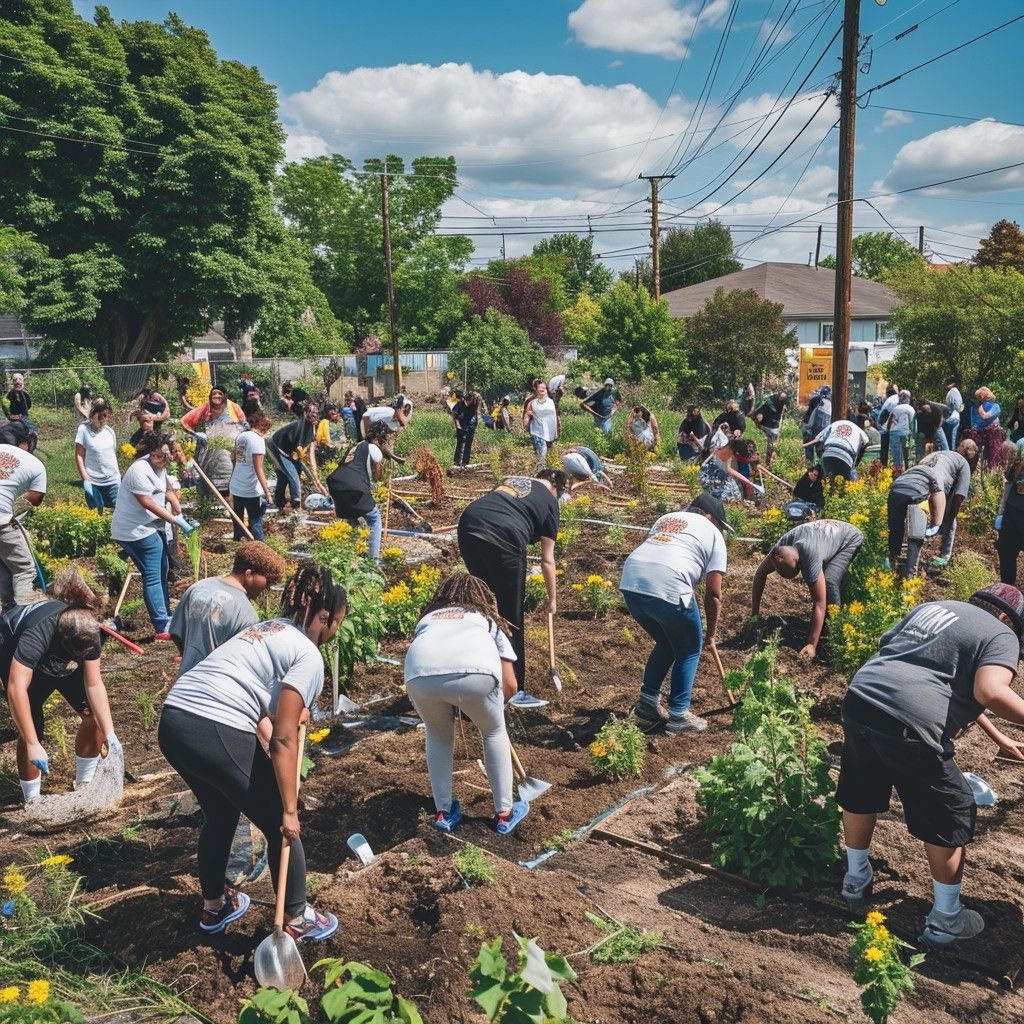
Now more than ever it’s so important that we as a people get into growing food options for healthy farm fresh foods and supporting your local community. No matter where you live You can search and build a farm-to-home food system that supports your state growers, giving your family fresher food, and hopefully inspire you to grow some of your own.
Building A Farm to Home Food System
You can start by buying fresh fruits, vegetables, eggs, or other foods from nearby farmers markets and farms. Then, you can grow simple foods such as herbs, tomatoes, peppers, and greens at home. This helps your family eat fresh food while also supporting farmers and small businesses in your community.
You can also learn how to store food so it lasts longer by freezing, drying, or safely preserving extra fruits and vegetables. Your family can keep track of what you grow, what you buy, and what you have stored. Over time, this creates a simple system that helps you waste less food, save money, learn about agriculture, and become more connected to the people who grow your food!
Look for local CSA/Farm Box’s especially if you want to make local food a routine rather than occasionally visiting a farmers market. certified-organic family farmers often offer current farm-box program combines CSA-style subscriptions with customizable farm-store selections prioritizing farms where you can clearly identify where the food was grown and what farming practices are being used.
Make farmers markets part of your lifestyle and Grow some of your own food.
Not necessarily a giant backyard farm. Start with an adaptable kitchen garden.
Think:
- 🌿 Basil
- 🌿 Mint
- 🌿 Rosemary
- 🌿 Cilantro
- 🌿 Green onions
- 🥬 Lettuce
- 🥬 Kale
- 🥬 Swiss chard
- 🍅 Tomatoes
- 🌶️ Peppers
- 🥒 Cucumbers
- 🫘 Bush beans
- 🍓 Strawberries
- 🍋 Citrus eventually
Get to know your community and identify your local agriculture, community gardens and farmers markets to support, including encouraging neighborhood gardens.
So your ecosystem could look like:
LOCAL FARMERS → MONTHLY FARM BOX → OWN HOME GARDEN → TABLE → YOUR COMMUNITY
Moving Forward
So, perhaps we, as the people, don’t have much control over the foods that the FDA tests and cases that might go unnoticed or not caught in time. So where does that leave us now? The FDA isn’t going anywhere, and honestly, it shouldn’t recalls, HACCP, FSMA, PulseNet these systems exist because history taught us we needed them. It’s proof that when surveillance and reporting move fast, lives get saved. But “it works” and “it works well enough” aren’t the same sentence, and this year’s numbers make that gap hard to ignore.
We can’t out-argue a listeria outbreak. We can’t legislate our own peace of mind into existence while waiting on an agency stretched across 20% of everything Americans buy. What we can do is stop treating our food safety as someone else’s full-time job and start treating it as a shared one, ours to be included.
That doesn’t mean panic rush. It means presence. Knowing your local farmer. Knowing your power. Growing a little food supply yourself, even if it’s just basil on a windowsill. Is just the beginning of building a food system good enough to actually see its benefits so that when the next recall hits the news, it barely touches your table.
The FDA will continue its role in preventing, detecting, tracing, warning, verifying, and learning. Our path is simpler and more sacred. It calls us to pay attention, planting something, and share our overflow with those around us. This way, our communities can thrive, regardless of whether government agencies act as intermediaries between the food we put on our neighbors’ tables and in our babies’ bellies.


Leave a Reply