Between The Headlines|Special Edition 08.26
First and foremost I would like to shout out (TikTok handle) @blackbeitbabe for taking the time and strength to assemble a map that tracks the locations where Black people have been found hanging across the United States. Each dot on the map is not just a collection of pins. But each one dot represents a real person, and behind most of them are families still waiting for answers. Her goal is simple: to make these cases visible and to show that they are NOT isolated incidents. Many of these deaths were quickly ruled suicides, but loved ones and community members have raised serious questions about the investigations. This map keeps those questions alive. Please check her out on more information about the map.
It’s August 2026 and we as a country are still finding black bodies hanging from trees.
BLACK PEOPLE DO NOT HANG THEMSELVES FROM TREES !!
There are many conflicting reports when it comes to the exact number of confirmed cases verified and tracked by civil rights monitors but the primary dispute between civil rights advocates and law enforcement argue that the official “confirmed suicide” numbers are artificially inflated because local authorities routinely close cases without conducting comprehensive homicide investigations or forensic analyses like they should.
As of August 30, 2026, there are at least nine publicly reported cases in the United States involving Black individuals who were found hanging from trees, and their cases can be searched and found.
Say Their Names
1. Kyle Bassinga, 21 — Marietta, GA (found Feb 18)
2. Jerard “Jay” Jackson, 28 — near Rothbury, MI (died June 30)
3. Tasia Fortune, 29 — Jackson, MS
4. Juliana Umba Nzita, 16 — Charlotte, NC (found May 8)
5. Demetrius Fleming, 38 — Roanoke Rapids, NC (found Aug 21)
6. Unidentified man, 32 — Raleigh, NC (found Aug 15) — not publicly named per the source ive found
7. To’Nea Nicole Miller, 27 — Miami, FL (found June 18)
8. Justice Kai James, 21 — Albany, GA (found June 21, outside Turner Job Corps cafeteria)
9. Cedric Longanga Tayuhe 36 Harrisburg, North Carolina June 6
This list is short and incomplete, but as a community, I suggest we document every case. By maintaining records of names, dates, locations, circumstances, investigative agencies, autopsy findings, and unanswered questions. We can ensure that cases don’t fade away and receive the attention they deserve.
We must demand thorough investigations. Families can request police reports, autopsy and toxicology reports, photographs, 911 calls, body-camera footage, surveillance footage, and other investigative records. I firmly believe that requesting independent reviews is also essential. As we witnessed in the Nolan Wells case, having a second private autopsy shed light on numerous aspects that we had not even considered possible. If a family believes that an investigation was incomplete, they can seek an independent forensic pathologist, attorney, investigator, or other qualified expert to review the evidence.
Families facing legal challenges can benefit from seeking legal representation from civil rights attorneys and wrongful death attorneys. These attorneys can assist in obtaining relevant records, challenging investigative failures, pursuing civil claims, and determining the possibility of pursuing further legal action. If local authorities fail to respond, escalate the situation. Depending on the circumstances, families can report potential civil rights violations to the U.S. Department of Justice or FBI and request federal review while maintaining public pressure on the case. Peaceful demonstrations, community meetings, petitions, journalism, social media campaigns, vigils, and contacting elected officials can prevent cases from being forgotten. As a community, we should support families financially and emotionally during investigations. These investigations can be costly and draining, so community funds can assist families in covering attorney fees, independent forensic examinations, travel expenses, records, and other investigative costs.
When multiple families share similar experiences of investigative failures, organizing together can enhance visibility and exert pressure for systemic review. This collective action can help connect cases and emphasize the necessity for a comprehensive investigation. Ultimately, the goal should go beyond mere attention when a case arises. Communities can advocate for policies that mandate robust investigative protocols, independent oversight, transparent reporting, and thorough review of suspicious deaths.
Justice demands more than simply remembering our loved ones. It necessitates documenting the events, preserving the evidence, demanding answers, challenging investigative shortcomings, and steadfastly refusing to let unanswered questions fade into obscurity.
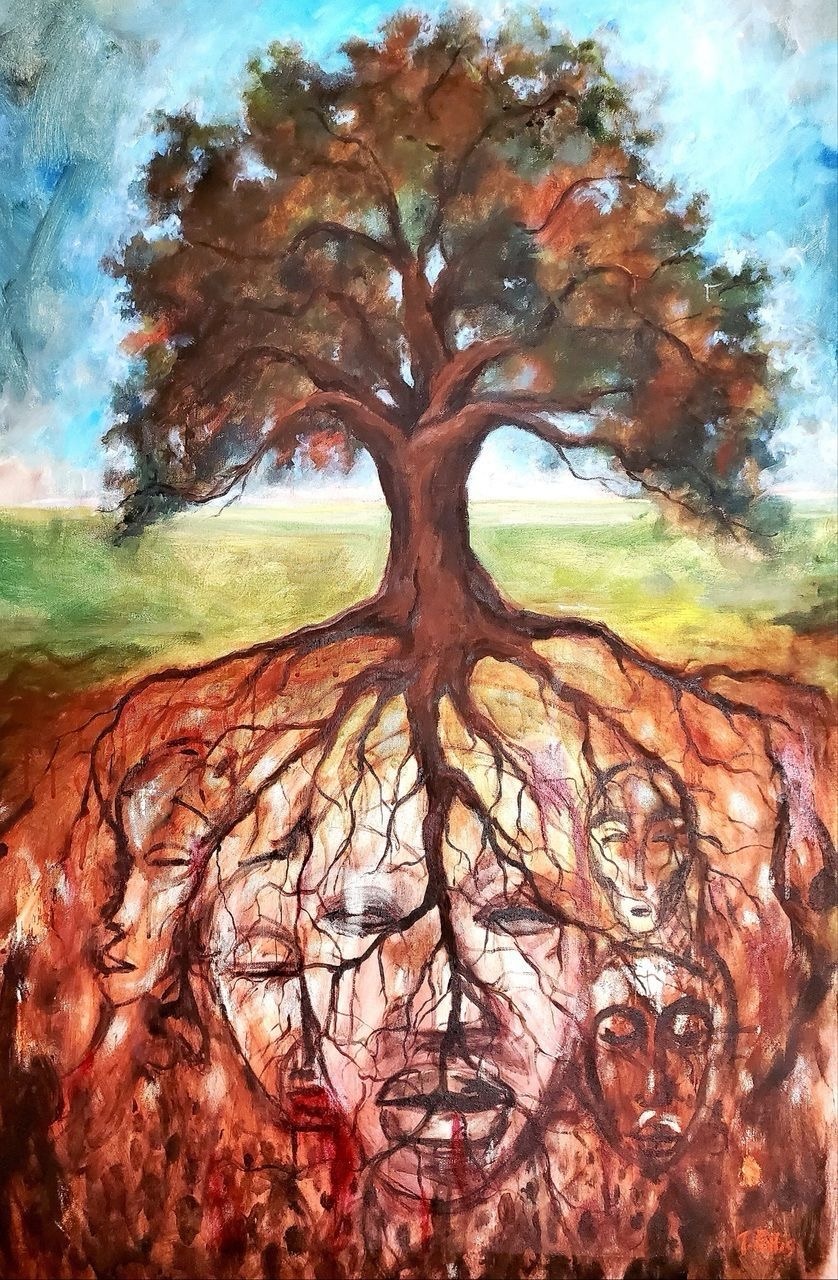
To all the black lives lost by lynching, I honor your spirit. The pain felt by the community does not waver but strengthens the ones who come after us. A profound protector for the ones here with us now and the history we must keep alive to prevent and protect our people.
Love you shall receive
Peace you shall receive
Justice you shall receive
And so it will be
Ase’
 As She Wrote
Leave a comment